Picking up where we left off…
“I am large. I contain multitudes,” famously wrote Whitman. The selfie taker is not so interested in sharing his or her essence so much as his or her deeds. A sumptuous breakfast, a Greek harbor in the background, the perfect smile of the selfie taker—that is not sharing an essence. There are no multitudes here. It is but a deed being shared, an experience, and often an experience so tightly curated that the event boarders on the unreal. It is a shared deed by which no contradiction or paradox exists, only a fashion of edited perfection. And to the thoughtful view it rings of hollowness as a result. Therein lies a troubling distinction. Such a perspective would be anathema to Montaigne—and Whitman too, for that matter. “Do I contradict myself?” asked Whitman. “Very well, then, I contradict myself.” Authenticity, you know it when you see it.
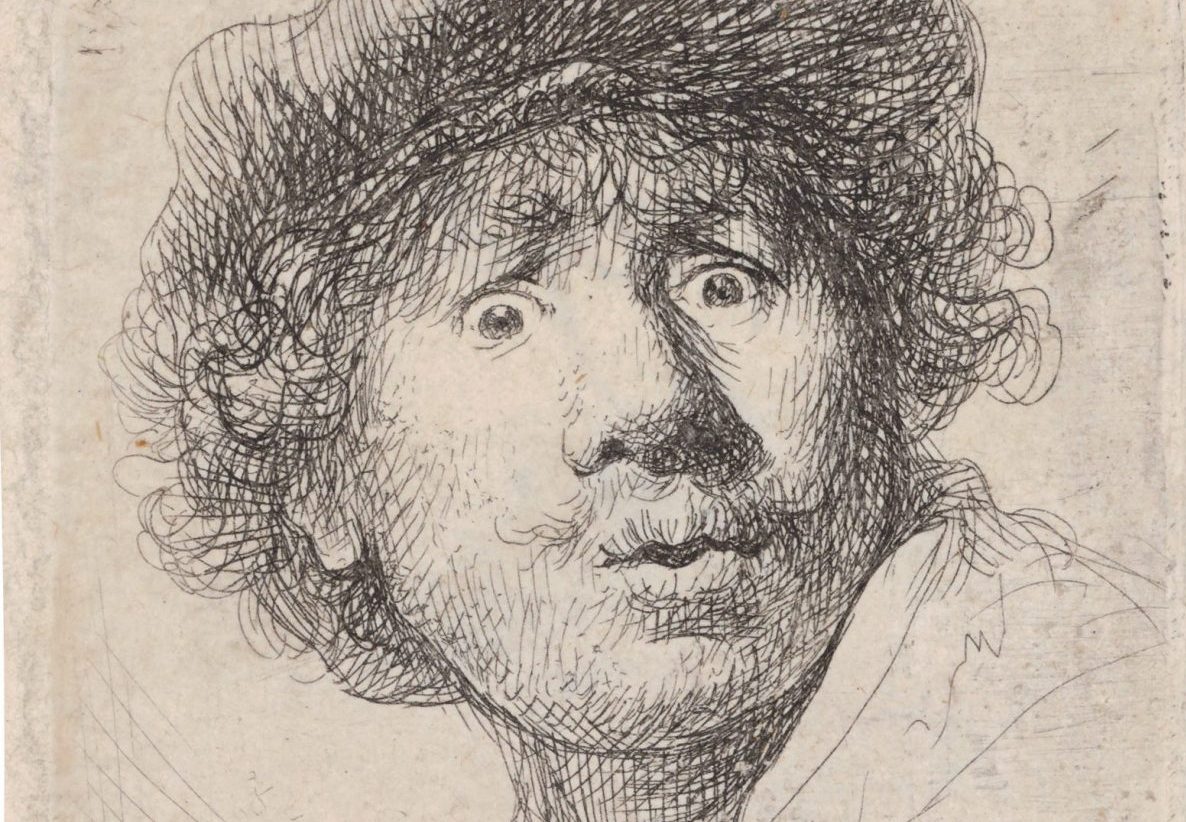
Similarily, Rembrandt (1606-1669) made more than ninety self-portraits, far more than any other artist. Art historian, Manuel Gasser, writes that “Over the years, Rembrandt’s self-portraits increasingly became a means for gaining self-knowledge,and in the end took the form of an interior dialogue: a lonely old man communicating with himself while he painted.” Not too many years ago I visited a Rembrandt exhibit at the Rijksmuseum in Amsterdam. It was the largest single exhibit to date of his work. One massive wall held most, if not all, of his self-portrait studies. They were exhibited in chronological order such that you began by viewing a young artist and by the end of the wall were seeing him old and wrinkled. There were self-portraits of him making faces and laughing and being serious and clowning. Rembrandt, employing the tools he knew best, made of himself a study.
Apropos of nothing, Van Gogh’s self-portraits are all of the left side of side of his face, the right side sporting the mutilated ear. Can a person look so deeply inside, yet expect to hide the obvious?
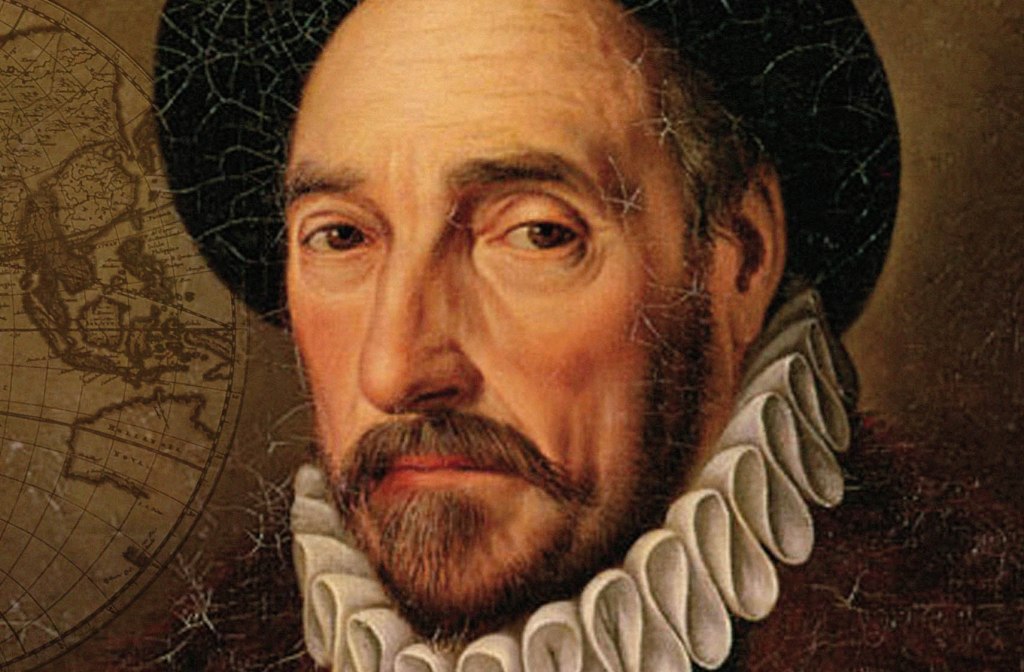
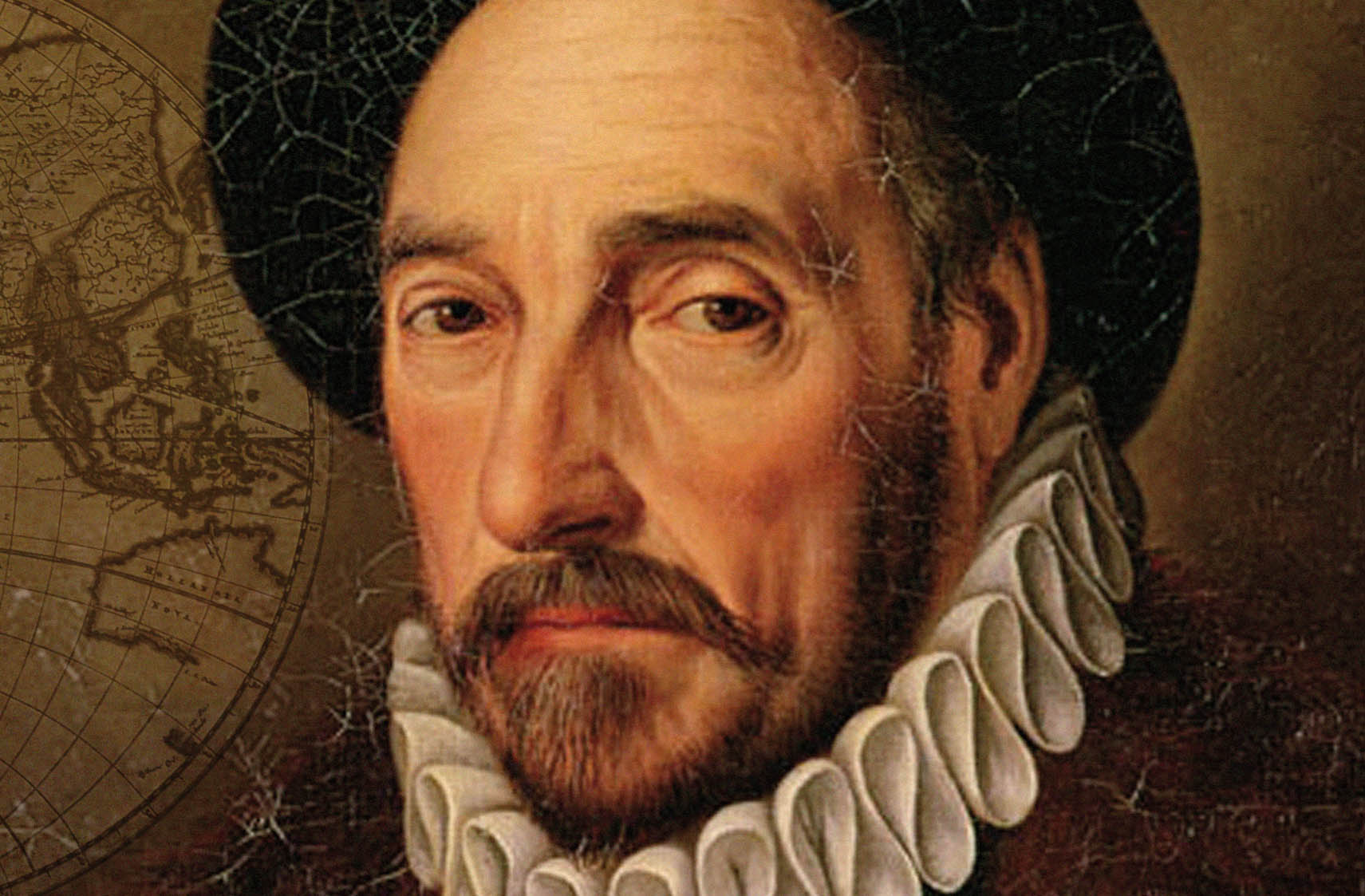
Montaigne practices a sense of inwardness that unabashedly focuses on himself. He is not, however, saying, look at me, look at me. Instead, he is laying bare what his attentiveness has revealed. What seems obviously apparent in the wealth of his writing is his acknowledgment that he is not static, that like the world his observes, he too is on the move and subject to the fluidity of change. Hence, his embrace of the contradiction. He sees it at the core of human-ness.
Modern culture, to circle back to the beginning of this subject matter, is intent on self revelation. It is, however, predominately a projection of the ego outward, and a finely curated projection at that. Montaigne’s projection, however, is in the other direction. His is an inward journey, “Custom has made speaking of oneself a vice, and obstinately forbids it out of hatred for the boasting that seems always to accompany it,” he writes in his chapter, “Of Practice.” He continues,
“I find more harm than good in this remedy. But even if it were true that it is presumptuous, no matter what the circumstances, to talk to the public about oneself, I still must not, according to my general plan, refrain from an action that openly displays this morbid quality, since it is in me; nor may I conceal this fault, which I not only practice but profess.” (II.6)
Simone Weil wrote that “attention is an effort, the greatest of all efforts perhaps….” Montaigne’s attention, turned inward and balanced against his outward observations was, no doubt, a great effort. We are all the better for it.

 ...the house I live in...
I welcome your comments. Thanks for reading.